How do we develop molten salt enabling technology for fusion energy? Insights from multi-scale thermal hydraulic studies.
Date: Friday, Mar 6, 2026
Start time: 2:00 pm
Location: 701 W. Grace St., Room 2306
Audience: All are welcome to attend.
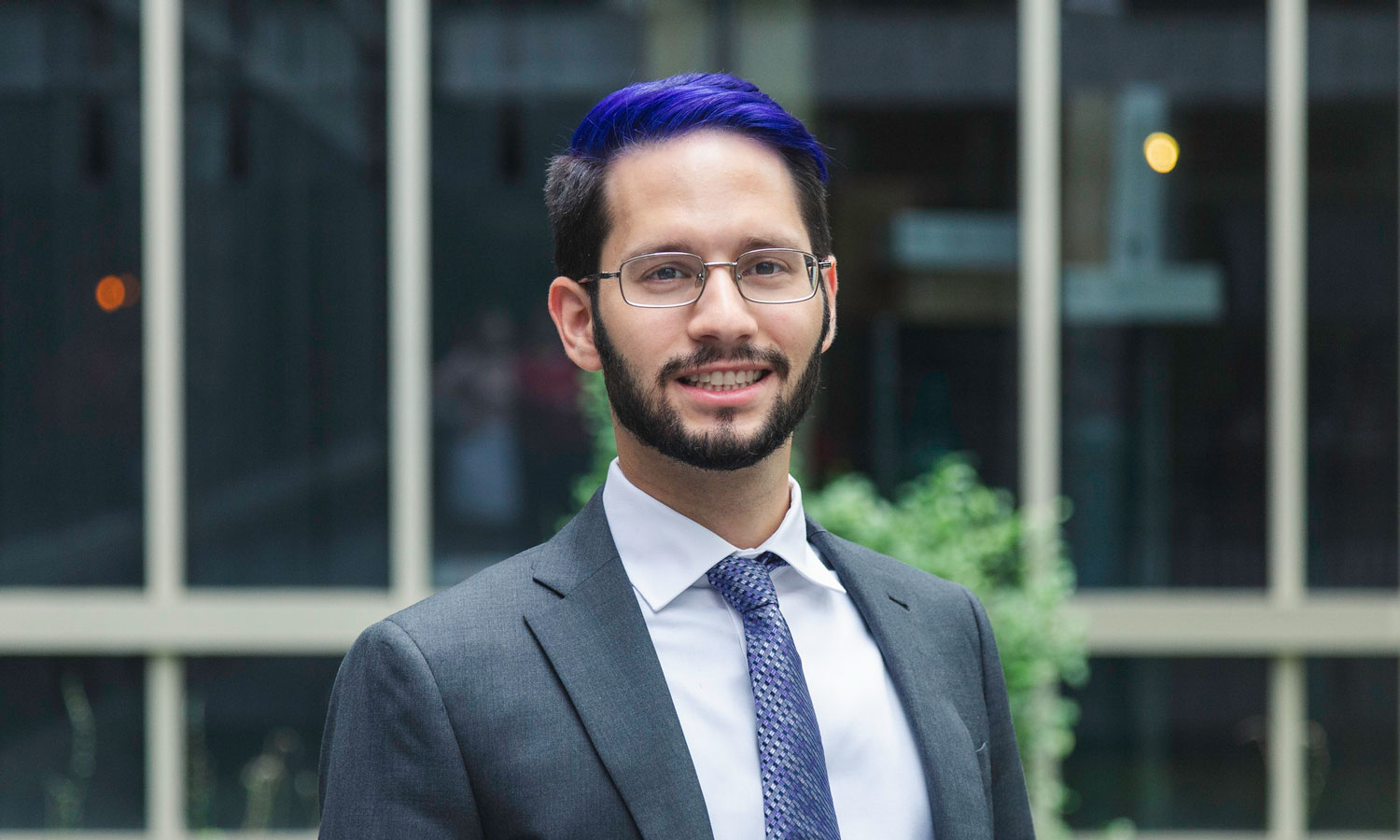
Prof. Lane Carasik
Department of Mechanical and Nuclear Engineering
Virginia Commonwealth University
Abstract
For energy independence and security, the advancement of enabling technologies for molten salt based fusion energy systems for inner and outer fuel cycle systems is needed. The multi-scale effort led by Dr. Carasik includes system and component modeling, surrogate fluid scaling for experiments, and experiments of integral/local behavior to address ARC technological gaps for heat removal and tritium extraction. The initial system studies have yielded useful information (thermal-fluid regimes) of potential outer fuel cycle components’ operating conditions used in computational fluid dynamics (CFD) and experimental studies. The follow-on component & localized studies are to investigate first wall coolant options with increasing physics. Whereas, the experimental methods involve low-fidelity measurements (HTC, dP and volumetric mass transfer) and high-fidelity velocimetry (PEPT) to understand flow dynamics. The combined studies have provided significant insight into improved first wall coolant channel design and future directions of this work will be discussed in the presentation.
Event contact: Joe Reiner, jereiner@vcu.edu